CALLS FOR DECISIVE ACTION TO RECLAIM NATIONAL REVENUE
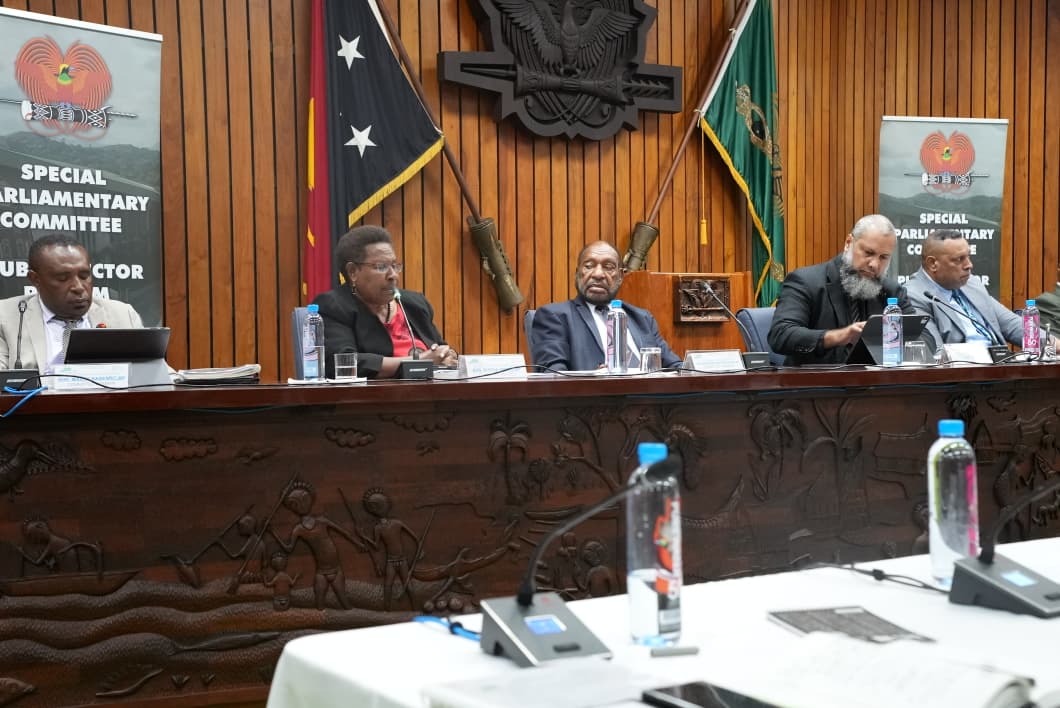
The Chairman of the Special Parliamentary Committee on Public Sector Reform and Service Delivery, the Hon. Gary Juffa, today released a preliminary statement following its hearing into the alluvial gold mining sector, revealing findings that point to a national economic emergency driven by massive gold smuggling and systemic regulatory failure.
The Committee Chairman stated that evidence presented during the hearing confirms that the nation is losing an estimated K300 million to K500 million (USO $240 million+) annually due to the illegal export of alluvial gold. Official production figures have plummeted from a peak of 120,000 ounces to a mere 40,000 ounces, despite a visible increase in mining activity on the ground.
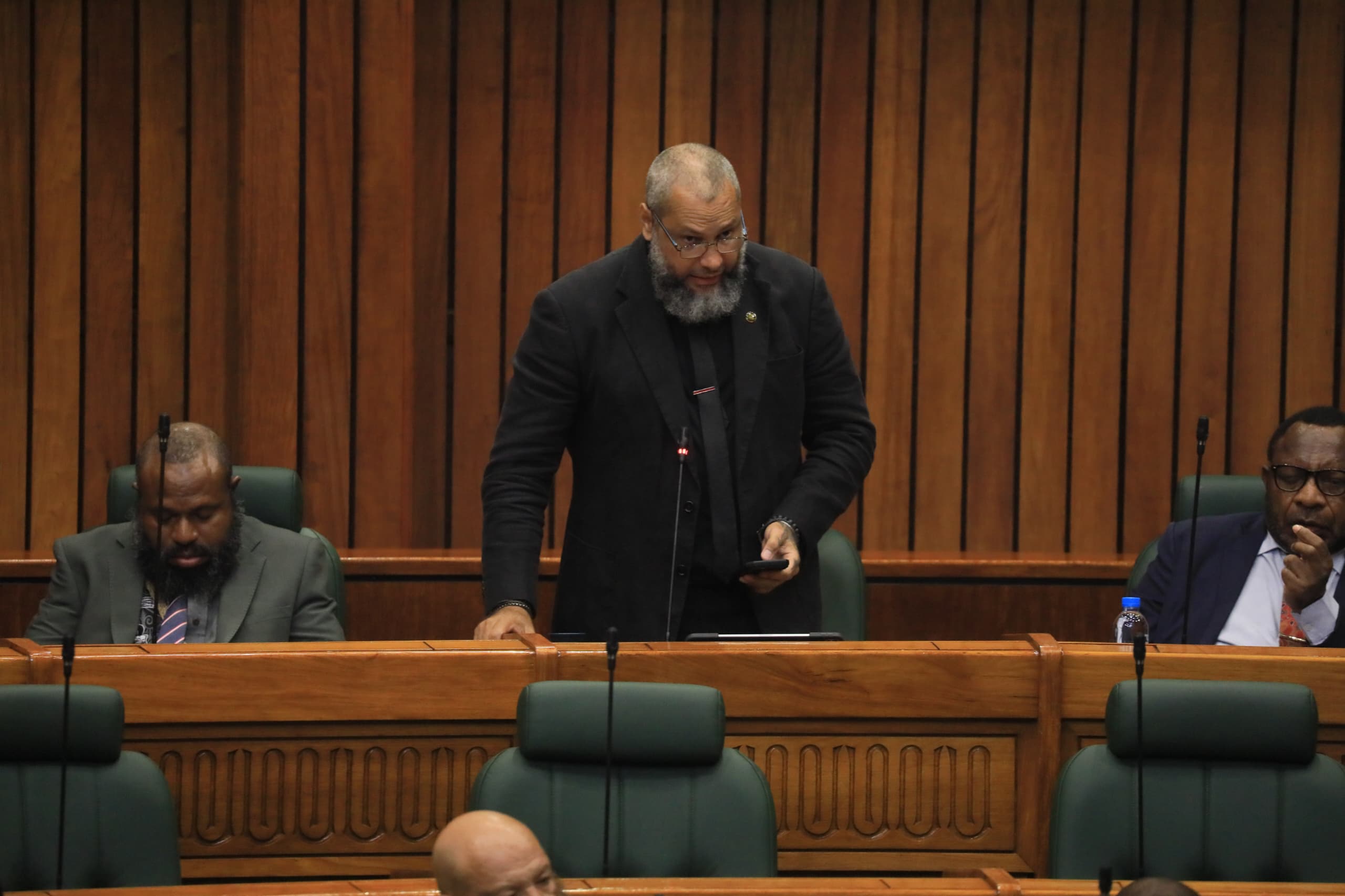
“We have uncovered a crisis where the amount of gold being smuggled oμt of PNG is more than double the amount being legally declared,” the Chairman said. “This is a direct, substantial theft from our public services, our schools, and our hospitals. This is not mere inefficiency; this is sophisticated economic criminality.”
ROOT CAUSES: SYSTEMIC FAILURE AND CRIMINAL EXPLOITATION
The inquiry identified three core themes responsible for the crisis:
Enforcement Failure: Key agencies, particularly the Minerals Resource Authority (MRA), lack the capacity, manpower, and dedicated compliance teams necessary to audit production, verify gold purity (which is routinely under-declared by over 50%), and enforce laws against illegal actors. This is despite it raising a 0.5% levy on all legal Gold exports amounting to over K60 Million per annum.
Regulatory & Legal Gaps: Conflicts between existing law (State owns the resource) and government policy (resource belongs to the people) create confusion and legal ambiguity. Furthermore, a jurisdictional gap between the MRA and the Central Bank in the export chain allows sophisticated evasion tactics, including the transit of gold through shell companies overseas, to flourish.
Criminality and Landowner Exploitation: The crisis is driven by well-organized foreign criminal networks who operate with impunity, often exploiting uneducated local landowners through unscrupulous benefit-sharing arrangements that leave communities with degraded land and no long-term benefits.
THREE-PHASE ACTION PLAN FOR REFORM
The Committee is preparing its final recommendations to the Executive Government and Parliament but is urging immediate adoption of the following structural and enforcement measures:
I. IMMEDIATE TERM (0-6 Months): Stopping the Bleeding
1. Establish a High-Impact Compliance & Audit Task Force:
a. Grant the MRA special, fast-tracked authority to immediately recruit and deploy a dedicated, fully funded enforcement and audit unit tasked with conducting mandatory, surprise audits on all major mechanized alluvial operations.
b. Immediately impose an immediate moratorium on clear cases of offending operators and prosecute current offenders.
2. Consider a Short-Term Moratorium: Immediately review and prepare for a potential temporary moratorium on alluvial gold exports to reset the system, disrupt criminal networks, and allow new regulatory controls to be implemented without external pressure.
3. Enforce Legal Clarity: The Attorney-General’s office must issue an immediate directive clarifying the current legal status of alluvial ownership until the 2021 Policy can be properly legislated or repealed.
II. MEDIUM TERM (1-3 Years): Structural Reform and Deterrence
1. Centralize Export Control: Establish a unified, government-certified system (e.g., a Gold House” or sole certified buying agent) to centralize all alluvial gold purchases, assaying, and exports, thereby eliminating opportunities for underdeclaration of purity and value.
2. Inter-Agency Taskforce: Institute a permanent, high-level Inter-Agency Taskforce (MRA, Central Bank, Customs, Immigration, Police) with a shared intelligence platform and single-point accountability to monitor the entire gold value chain from mine-site to final export.
3. Mandatory Landowner Protection: Enact legislation requiring all alluvial mining agreements involving foreign investment to receive mandatory review and legal sign-off from an MRA Landowner Liaison Unit to protect local communities from exploitation.
Ill. LONG TERM (3+ Years): Capacity and Sustainability
1. Codify Policy into Law: Finalize and pass comprehensive legislation to resolve the conflict between the State and People’s ownership policies, ensuring a stable and clear legal framework for investment and community benefits.
2. Technological Modernization: Invest in modern, non-invasive technology, including satellite imagery, drone surveillance, and portable X-ray Fluorescence (XRF) analyzers, to provide MRA inspectors with instant, reliable verification of mining activity and gold purity.
3. Rebuild Institutional Capacity: Re-establish a fully funded Mining School and Resource Training Institute to build a pipeline of local, technically proficient PNG mining inspectors, auditors, and compliance officers who can sustainably manage this valuable sector.
“This Committee is not here for a finger-pointing exercise, but to save a vital national resource,” concluded the Chairman. “The time for talk is over. The government must treat this as a national crisis, and we urge all stakeholders, from state agencies to legitimate miners and landowners, to cooperate fully with these urgent reforms. Papua New Guinea deserves to receive every Kina it is owed.”