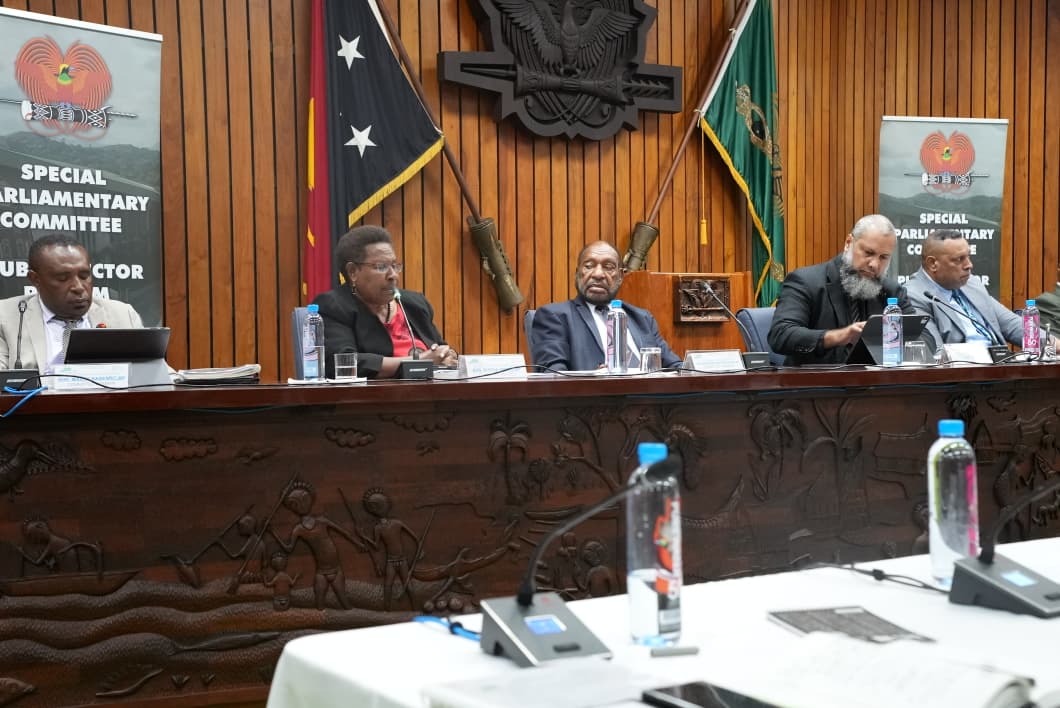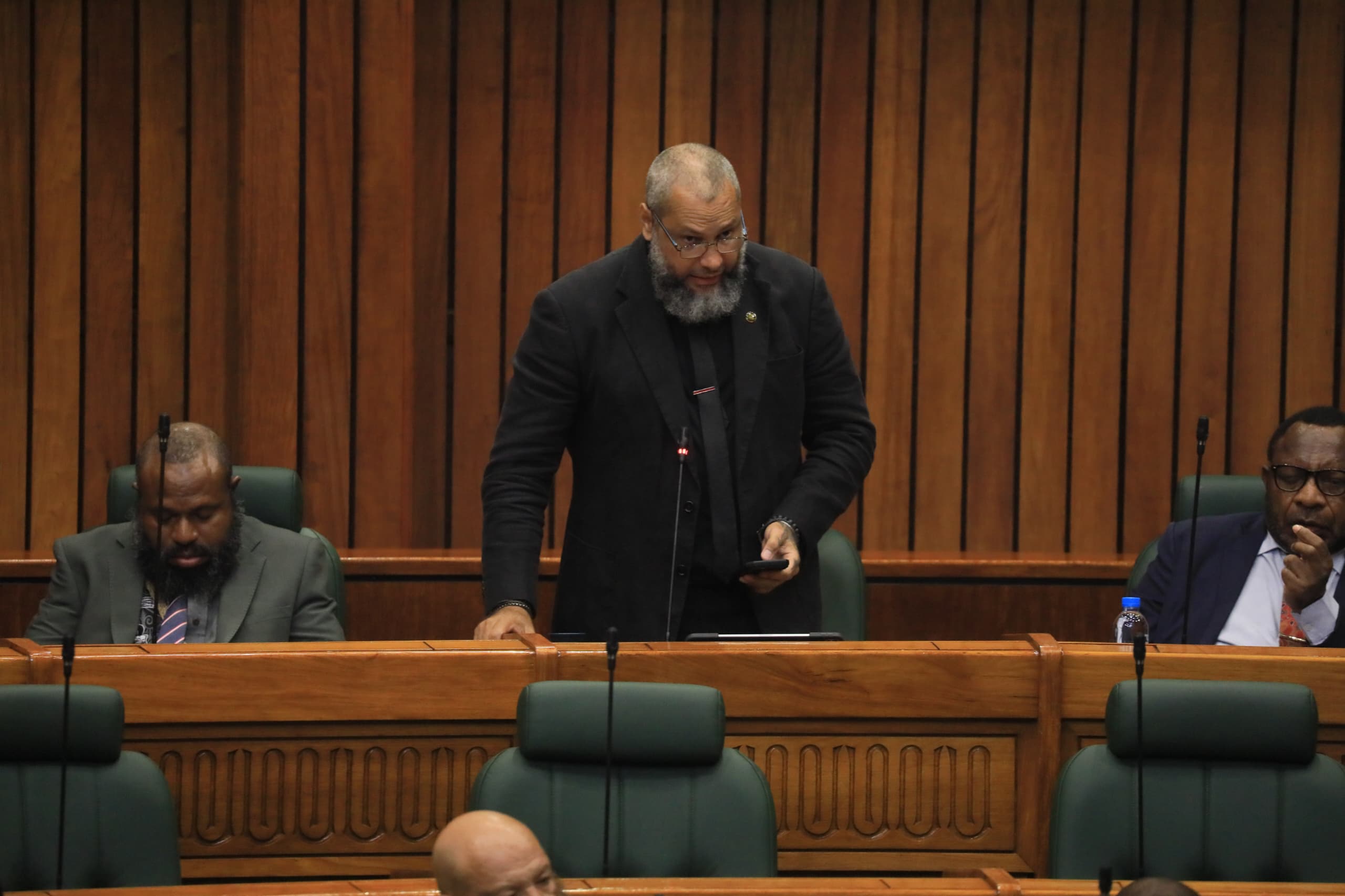
Over the past 2 years the Special Parliamentary Committee on Public Service Reform and Service Delivery (SPC or Committee) has been running several complex special projects under its mandate in the Public Sector to provide Parliamentary oversight into good governance, discipline, ill governance and enforce oversight of basic good management.
As a Parliamentary Committee, part of its mandate is to hold the Executive Arm of Government accountable to Parliament for its management of the Public Sector.
Chairman of the Committee, the Hon Gary Juffa says,” This daunting task of demanding accountability of the Executive Arm of Government for positive management of the Public Sector is now almost impossible, given the decades of neglect and carefree unaccountable governance it has enjoyed”.
“The Public Sector appears to have a life of its own!”
“Almost everywhere the Committee has turned to look, it has witnessed much of the public sector appears irreparably broken and many agencies have gone past life support. To make matters worse, most Departments do not have an archiving culture to come close to understand how they arrived at where they are at now”.
“”””The question the Committee wrestles with is what does the nation get in return for in employing 132, 898 public servants to deliver services to our people at a cost of K 5.7 Billion or 50% of the nation’s public expenditure budget (2022 National Budget). We don’t seem to have an instrument that accurately measures value for money spent”.
Chairman Governor Gary Juffa
The SPC is pleased to present to the public the summary of findings of one its special focus projects undertaken through Deloitte, Department of Personnel Management, Treasury and Finance, concerning the Integrity of the Public Service Payroll in hope that the leadership of the Executive Arm of Government will compel the relevant Departments to enforce many years of neglect to reform the Public Service Payroll.
11 key findings by the independent Audit:
- Large amounts paid every fortnight (e.g. higher than 100,000 PGK) are not thoroughly reviewed
- Lack of data validation and data cleansing -which leads to incorrect payroll amounts.
- Lack of automatic calculations in Alesco payroll system – which allows manual calculations outside the system.
- Lack of consistent IT audit and lack of implementation of recommendations from previous IT audits
- Demarcation of functions (Conflict of Interest) between Department of Finance and Department of Personnel Management.
- There is a need to upgrade the Alesco system from version 12 to the latest version available at the time of implementation. The last upgrade was done in 2003. Latest upgrade available is version 20.
- Leave records are not updated in Alesco- thereby leaving the risk open to processing wrong leave amounts and taking leave but having that taken leave accrue as untaken and fully paid out upon retirement.
- There are inconsistent salary grades across public agencies
- Lack of implementation of Disciplinary actions-resulting in multiple people paid on the same position.
- Lack of training for HR officers/IT and system users.
- Operational (goods and services) funds, even miscellaneous funds, are often used to pay salaries of employees. These payments are not recorded in Alesco and therefore difficult to track.
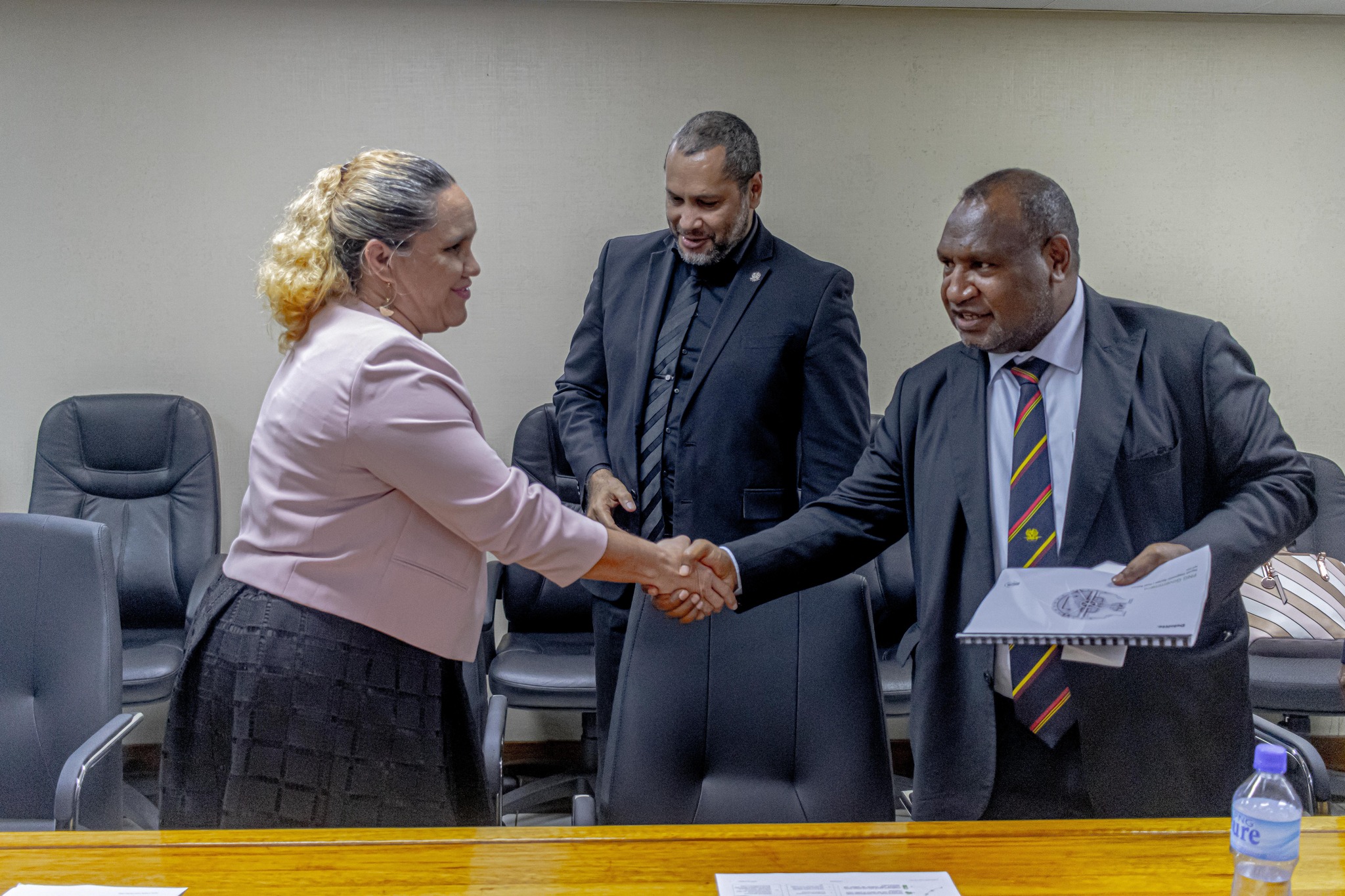
The Deloitte Payroll Audit Report was handed over to Chairman Juffa of the Special Parliamentary Committee on Public Service Reform and Service Delivery who passed it on the Prime Minister in Parliament last Thursday 15th June, 2023 in the presence of the Minister for Treasury and Department of Personnel Management and Secretaries of Treasury, Finance and Department of Personnel Management.
A framework of implementation was agreed between the Chairman of the SPC and the Prime Minister who committed to setting up a Ministerial Committee of 4 Ministers to steer 5 agencies of State to adopt and implement the findings of the Audit.
The Ministerial Steering Committee consists of:
- Minister for Treasury
- Minister for Finance
- Minister for Department of Personnel Management
- Minister for the Office of Information and technology
The Departmental Committee to be steered by the Ministerial Steering Committee is:
- Chief Secretary
- Secretary for DPM
- Secretary for Treasury
- Secretary for Finance
- Secretary for Information Technology
- SPC Technical staff
The Committee calls for urgent action by the Executive Arm of Government to immediately adopt and implement the Audit Recommendations.
The Committee will be tabling this Report in Parliament and examining and expanding each of the Audit findings on its website over the next few months in the public’s interests.
In addition to this independent payroll Audit, the Committee calls for the NEC to:
- Commission an independent forensic audit and prosecution team into identifying ghost names, multiple use of bank accounts for multiple fortnightly salary payments to individuals and which persons (if any) have been deliberately manipulating the Alesco Payroll system to their personal or 3rd party advantage with special attention to their prosecution.
- Seek collaboration with the Internal Revenue Commission to audit and impose taxation where implicated public servants are found to be living lifestyles and amassing assets way beyond their official salary levels.
- Reduce loan financing in ratio to cutting obvious public sector wastage and inefficiencies.
- Immediately cease creation of new State agencies. As of 2018 PNG has 1, 419 creatures of State, and counting, most of which are invisible except at Budget time. (Auditor General 2018 report)
- The Committee will be keenly observing this Audit’s implementation.
- The Committee will move on to the next stage of Payroll reform by collating existing information, plans and research and conducting hearings for debate in Parliament into the following related areas of State Payroll reforms:
- Exactly how will PNG raise its required human resources to arrive at its National Goals, Visions and Plans -an inevitable look at what our current National Health & Education Systems are producing.
- Retention of quality PNG human resources in the public sector through incentives- an inevitable look at public and private sector comparative remuneration.
- Restructuring and reducing state agencies to gain better efficiencies and reduce expenditure.
- Securing the security of public sector IT systems.
The Committee thanks the current Secretaries of Treasury, Finance and DPM for their collaboration to deliver this Audit and calls on them to use this opportunity the audit offers to salvage a disaster created and worsened before their terms of office and make a real positive difference.